
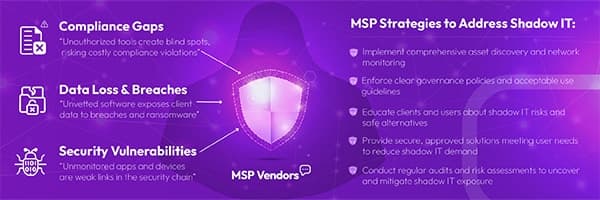
Managing Shadow IT: What Smart MSPs Are Doing to Stay Ahead of the Risks
Shadow IT poses serious risks for MSPs, from compliance gaps to data loss. Learn how to address it effectively.
Every IT professional has run into it: a client’s employee uploads files to a personal Dropbox, logs into ChatGPT from an unapproved browser, or starts managing team tasks using a free Trello account without telling IT. That’s Shadow IT, and it’s more common than most realize.
In fact, a survey from the Cloud Security Alliance found that 77% of IT and security professionals admit they feel unprepared to handle cloud security threats. Let that sink in; even those tasked with defending digital assets lack visibility into what their users are really doing.
For MSPs, Shadow IT isn’t just a minor headache but most especially, a threat vector that introduces hidden vulnerabilities, compliance risks, and fragmented data silos. Without proactive oversight, unsanctioned tools can quietly undermine security strategies and eat into support time.
In this blog, we’ll unpack what Shadow IT looks like today, highlight the most common forms it takes, explore how it disrupts MSP operations, and share practical steps MSPs can deploy to surface, manage, and turn Shadow IT from a blind spot into an opportunity.
What is Shadow IT?
Shadow IT refers to the use of technology systems, software, or applications within an organization without the knowledge or approval of the official IT department. This includes everything from cloud storage platforms like Google Drive to messaging apps like WhatsApp or Slack being used outside of sanctioned channels.
What makes Shadow IT particularly tricky is that it’s often born from good intentions. Teams want to move faster, access simpler tools, or collaborate more easily, especially in hybrid or remote setups. But when tools are adopted without proper vetting, MSPs are left in the dark. That lack of visibility becomes a real issue when it’s time to troubleshoot, secure endpoints, or ensure compliance with data protection regulations.
For MSPs managing multiple client environments, Shadow IT isn’t just an internal issue but also an external variable that complicates nearly every aspect of service delivery, from monitoring to policy enforcement. And with so many freemium tools available to end users, it’s not slowing down anytime soon.
Common Forms of Shadow IT
Shadow IT rarely looks the same across organizations. What makes it difficult to detect is how seamlessly it blends into everyday workflows. Below are the most common types MSPs are likely to encounter.
Cloud-Based Applications
Freemium cloud tools are one of the most widespread forms of Shadow IT. Employees often spin up personal accounts on platforms like Google Drive, Dropbox, or Canva to meet immediate needs. These services are convenient, but they bypass corporate authentication, data encryption standards, and audit logging. MSPs often don’t discover these tools until there’s a breach or a file goes missing.
Productivity Apps and Collaboration Tools
Platforms like Trello, Asana, Notion, and even unauthorized Zoom or Teams accounts fall into this category. While they help teams stay productive, using them outside official channels leads to fragmented data storage and inconsistent security policies. MSPs managing these environments have no control over user access, making it harder to enforce data loss prevention or standardized permissions.
Personal Devices
Bring Your Own Device (BYOD) policies can open the door to productivity but also pose significant risks. Unmonitored laptops, smartphones, and tablets may access sensitive business data without endpoint protection, mobile device management (MDM), or encryption. Without a formal approval process or MDM in place, these devices remain invisible to MSPs.
Unofficial Communication Channels
It’s not uncommon for team members to default to WhatsApp, Telegram, or even Discord for quick discussions, especially in fast-paced teams. The problem? These platforms offer little to no enterprise-grade security or compliance features. MSPs can’t monitor or archive conversations on unauthorized channels, which becomes an issue for industries with audit or data retention requirements.
The Challenges of Shadow IT for MSPs
Shadow IT isn’t just a security problem, but it also creates ripple effects across service delivery, compliance, and client satisfaction. Below are the key challenges it introduces for Managed Service Providers.
Security
At its core, Shadow IT expands the attack surface. When employees use unauthorized apps or devices, MSPs have no visibility into how those tools are configured, secured, or updated. This lack of oversight makes it easier for phishing attempts, data breaches, or malware infections to slip through unnoticed. Without endpoint management or access control, even something as simple as a misconfigured file share can turn into a major incident.
Collaboration
When different departments start adopting their own tools, it creates isolated data silos. One team might store documents in Google Drive, another in Dropbox, while official files live on SharePoint. This fragmented environment slows down workflows, causes versioning issues, and makes it harder for MSPs to support integrated systems. Users end up frustrated and blame IT when things don’t sync.
Standardization
One of the major benefits MSPs bring to the table is the ability to standardize tools, policies, and processes across an organization. Shadow IT disrupts that by introducing inconsistent platforms that don’t follow IT governance standards. It undermines automation strategies, makes onboarding more complicated, and introduces compatibility issues that burn support hours.
Compliance
MSPs working with clients in regulated industries (like finance, healthcare, or legal) must account for how data is stored, accessed, and shared. When unauthorized apps or devices come into play, it becomes nearly impossible to track data flow and maintain compliance with frameworks like HIPAA, GDPR, or PCI DSS. If a client is audited or breaches occur, the blame often shifts to the MSP, even if the root cause was a rogue tool nobody reported.
Why IT Professionals and MSPs Should Care About Shadow IT
Shadow IT isn’t just a user-side problem. For MSPs, it creates gaps in visibility, adds unexpected risk, and erodes service quality. When clients use tools outside the approved stack, support becomes reactive, troubleshooting takes longer, and data often lives in unsecured locations.
Security policies lose effectiveness if you can’t see the full picture. Even one unauthorized app can create compliance issues or expose sensitive data. And when problems arise with tools IT didn’t vet, clients still expect fast solutions.
Addressing Shadow IT isn’t about locking everything down but also protecting clients, staying ahead of risk, and delivering reliable, scalable service.
How MSPs Can Manage Shadow IT
Shadow IT isn’t going away, but it can be managed. Instead of fighting every unsanctioned tool, successful MSPs adopt a strategy that focuses on visibility, user education, and realistic governance. Here’s how to start.
Provide End-User Training
Most Shadow IT stems from convenience, not malice. When users don’t understand the risks or don’t know what tools are approved, they find their own solutions. That’s why ongoing, role-specific training is critical. MSPs should help clients deliver short, digestible sessions that explain:
- What qualifies as Shadow IT
- Why it matters to security and compliance
- What alternatives or sanctioned tools are already available
Clear guidelines, combined with a culture of accountability, reduce accidental misuse and encourage transparency.
Schedule Routine Audits
Periodic audits reveal what is happening beyond the surface. This includes scanning networks for unknown devices, reviewing DNS traffic for suspicious app usage, and checking cloud access logs for anomalies. MSPs should also review SaaS usage reports and endpoint telemetry to spot unusual trends.
Where possible, deploy tools that provide real-time Shadow IT detection without requiring deep user surveillance. Transparency is key. Clients need to know you’re there to protect, not police.
Use Mobile Device Management (MDM) and Access Controls
MDM platforms give MSPs visibility into mobile and BYOD environments. With the right configuration, they allow centralized enforcement of policies like encryption, remote wiping, and multi-factor authentication. Combined with identity and access management (IAM) systems, MSPs can ensure that only approved devices and users can access sensitive data.
It’s not just about locking things down but creating an environment where security is seamless, and Shadow IT becomes unnecessary.
Take Control of Shadow IT Before It Controls Your Clients
Shadow IT isn’t just noise, but a growing blind spot that puts your clients’ data, compliance posture, and trust at risk.
MSPs who stay ahead of it aren’t just protecting infrastructure; they’re reinforcing their value.
Start by uncovering what’s hidden, strengthening what’s allowed, and building a framework that makes secure tools the easiest choice for users.